I wish someone had taught me how to spot a failing scaled recipe before it actually failed. Would have saved me from a lot of smoke alarms and wasted butter. Over the years, I've learned to read the signs. The batter looks wrong. The dough feels wrong. The smell is off. These signs appear long before the oven timer goes off. If you know what to look for, you can sometimes fix the problem before it's too late. Other times, you just cut your losses and start over. Either way, you learn something.
Here are ten signs that your scaled recipe is heading toward disaster, what they mean, and what you can do about them.
The first sign is that your batter overflows the pan before you even put it in the oven. This happens when you scale a recipe without checking the pan volume. You multiplied the ingredients by 4, but you're using the same pan. The batter is too much for the pan. It spills over the sides, drips onto the floor, and makes a mess. The fix is to remove batter until the pan is no more than two-thirds full. Bake the extra batter in a separate small pan or as cupcakes. Next time, calculate the pan volume before you mix.
The second sign is that your dough is much wetter or drier than the original recipe described. You've made this recipe before at 1x. You know what the dough should feel like. Now at 3x, it's a sticky mess or a crumbly disaster. This usually means you messed up the flour measurement. Maybe you dipped instead of spooned. Maybe your scale is off. Maybe you used a different brand of flour that absorbs differently. The fix depends on the problem. If it's too wet, add flour one tablespoon at a time until the texture is right. If it's too dry, add liquid one tablespoon at a time. Write down what you added so you can adjust the recipe next time.
The third sign is that your dough is rising too fast. You set it to proof, and within thirty minutes it's doubled in size. This means you used too much yeast or the dough is too warm. When you scale a recipe, yeast scales with an exponent of 0.85. If you used linear yeast, you probably added 30-40% more than you needed. The fix is to punch down the dough and let it rise again. The second rise will be slower. Or you can shape it immediately and accept a denser crumb. Next time, use the exponent.
The fourth sign is that your dough is not rising at all. You waited two hours and nothing happened. This could mean you forgot the yeast, or you used water that was too hot and killed it, or you added too much salt. When you scale a recipe, salt also uses an exponent. If you used linear salt, you might have added 20-30% more than needed. That extra salt can slow down the yeast significantly. The fix is to be patient. Give it another hour. If still nothing, you can try dissolving more yeast in a little warm water and kneading it in. But honestly, at that point, it might be better to start over.
The fifth sign is that your cake layers are doming in the middle and cracking on top. A little dome is normal. A dramatic dome with a crack down the center means your oven is too hot or your pan is too small. When you scale a recipe, the baking time changes. If you kept the same pan but increased the batter, the batter is deeper and takes longer to bake. The outside sets while the inside is still expanding, causing a crack. The fix is to lower the oven temperature by 25 degrees and extend the baking time. Cover the cake with foil if the top is browning too fast.
The sixth sign is that your cookies are spreading into thin, lacy discs instead of staying puffy. This usually means too much butter or not enough flour. When you scale a cookie recipe, the butter scales linearly, but if you mis-measured the flour, the ratio is off. The fix is to chill the dough thoroughly before baking. Cold dough spreads less. You can also add a couple of tablespoons of flour to the remaining dough. Next time, weigh your flour carefully.
The seventh sign is that your bread has a dense, gummy layer at the bottom. This is called a gum line. It happens when the dough is underbaked or when there's too much water. When you scale a bread recipe, if you kept the same baking time but increased the loaf size, the inside might still be raw while the outside looks done. The fix is to put the bread back in the oven, covered with foil, for another 10-15 minutes. Check the internal temperature. You want 200-210 degrees Fahrenheit. Next time, increase your baking time for larger loaves.
The eighth sign is that your sauce or custard is not thickening. You followed the scaled recipe, but the cornstarch or flour seems to have no effect. This often happens when you scale thickening agents linearly but forget that they need time to activate. A larger volume of liquid takes longer to come to a boil, and the thickener might not reach its activation temperature. The fix is to simmer the sauce longer, or make a slurry with extra thickener and stir it in. Next time, increase the cooking time, not the thickener amount.
The ninth sign is that your food tastes flat or bland. You scaled the recipe, but the flavor is missing. This usually means you forgot to adjust the salt and spices properly. Salt and spices use the 0.85 exponent. If you used linear scaling, your salt and spices are actually too low relative to the other ingredients? Wait, no. Linear scaling would give you more salt and spices, not less. The 0.85 exponent gives you less than linear. So if you used linear, you have too much salt and spices, not too little. So blandness usually means you forgot to add salt altogether, or you used a different type of salt that is less dense. The fix is to add salt gradually, tasting as you go. Next time, weigh your salt in grams.
The tenth sign is that your baked goods are burning on the edges but raw in the center. This is a classic scaling mistake. You increased the recipe but kept the same pan size and same oven temperature. The deeper batter insulates the center while the edges overheat. The fix is to lower the oven temperature by 25 degrees, cover the pan with foil to protect the edges, and bake longer. Next time, use multiple pans instead of one deep pan.
I've experienced every single one of these signs. The domed cake that cracked? That was my sister's birthday cake. I was so embarrassed. I covered the crack with frosting and hoped no one would notice. My mother noticed. She didn't say anything, but I saw her look.
The cookies that spread into lacy discs? That was for a bake sale. I brought them anyway and labeled them "lace cookies." People bought them because they looked fancy. Sometimes you can turn a failure into a success with a creative name.
The bread with the gum line? That one I couldn't salvage. I fed it to the birds. The birds didn't complain.
The most important thing I've learned about these signs is that they are warnings, not verdicts. If you catch the problem early, you can often fix it. If you don't catch it until the oven timer goes off, it's usually too late. So watch your batter. Feel your dough. Smell your food as it bakes. Your senses are better than any timer.
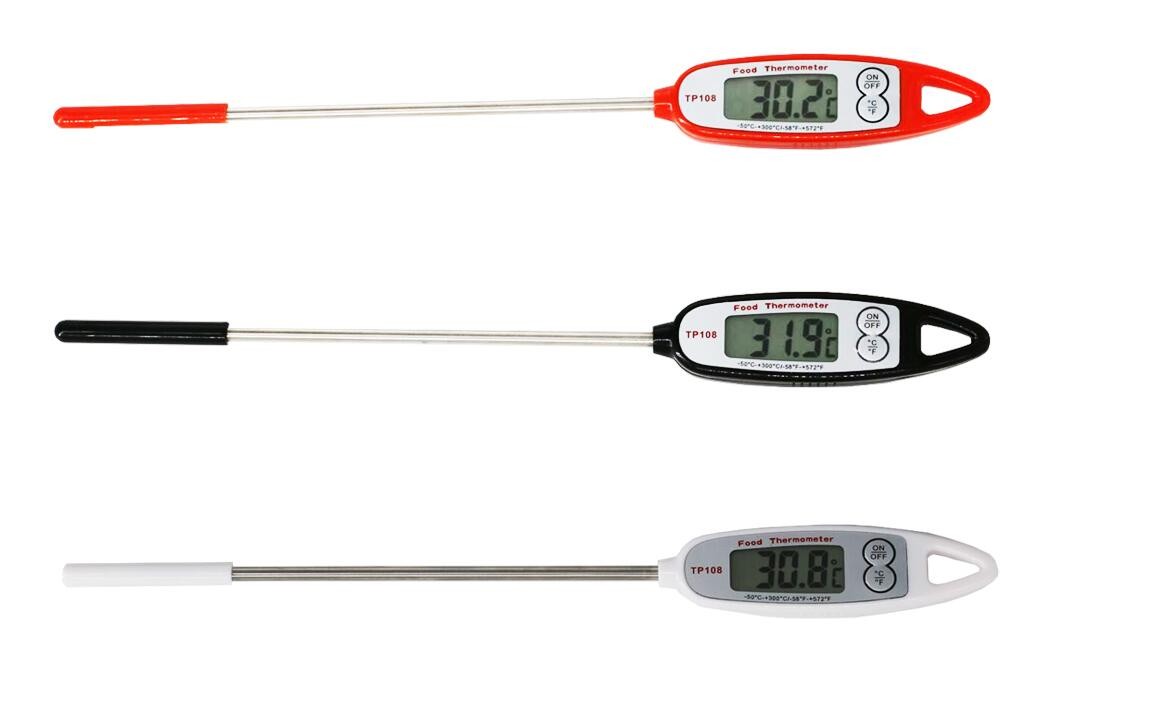
I also rely on my tools to help me avoid these signs in the first place.
I once had to start over on a triple batch of cinnamon rolls at 10 PM. The dough was too sticky to shape. I could have tried to fix it with more flour, but I knew it would never be right. I threw it away, washed my bowls, and started from scratch. The second batch was perfect. I finished at 2 AM. My family ate cinnamon rolls for breakfast and never knew about the failed batch.
That's the secret. Nobody sees your failures unless you show them. So fail in private. Learn in public.
— Olivia
P.S. The lace cookies from the bake sale? Someone asked for the recipe. I just smiled and said it was a family secret.