I was making lasagna for a dinner party. Sixteen people. The recipe said "serves 8." Simple math: double the recipe, feed 16. I bought double the ingredients. I used my largest pot. I filled two 9x13 pans to the brim. The guests arrived. We ate. And then we ate again. And then I packed leftovers for everyone to take home. And then I still had a full pan in my fridge. The recipe hadn't served 8. It had served 10. Maybe 12. And my double batch had fed 20 with enough left over for a small army.
I'm Chef Maria Santos. I run recipeportions.com from Miami, Florida, where the portions are generous and the recipe writers are apparently feeding birds. I built this site because I was tired of cooking for 8 and feeding 20, or cooking for 4 and running out of food. This story is about the portion-size lie that every home cook knows but nobody talks about.
The problem starts with the recipe writers. Food magazines, blogs, and cookbooks all use a standard "serving size" that has no basis in reality. A "serving" of pasta is often listed as 2 ounces dry. That's 200 calories. Have you ever eaten 2 ounces of pasta and felt satisfied? That's a side dish, not a meal. A "serving" of soup is often 1 cup. That's a bowl for a child. An adult eats 2 cups. Minimum. The recipe writers are using nutritional labeling standards, not human hunger standards.
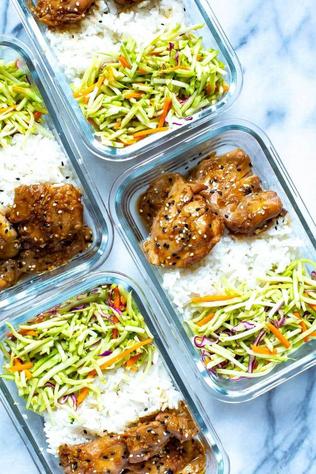
Then there's the photography problem. Recipe photos show heaping plates, generous portions, and food that looks abundant. But the actual recipe yield is calculated using skimpy portions that would make a nutritionist proud and a dinner guest hungry. The disconnect between the visual promise and the numerical reality is where home cooks get burned.
My lasagna disaster was a perfect example. The recipe called for 1 pound of ground beef, 12 ounces of pasta, and 2 cups of ricotta. For 8 people. That's 2 ounces of beef per person. Two ounces! That's a meatball, not a meal. The pasta was 1.5 ounces per person. The ricotta was 1/4 cup per person. If you served that at a dinner party, your guests would stop at McDonald's on the way home.
I started tracking recipe yields after the lasagna incident. I made a "serves 4" chicken stir-fry. It fed 6. I made a "serves 6" soup. It fed 8 with leftovers. I made a "serves 2" pasta dish. It was a light meal for 2, or a proper meal for 1. The pattern was clear: recipe servings are consistently 30-50% smaller than real-world portions. And when you scale up for a party, the error compounds into a food avalanche.
The 2026 food landscape has made this worse. Portion inflation is real — restaurant servings have grown 20% in the past decade — but recipe servings have stayed the same. People are eating more, but recipes are pretending they aren't. The result is a generation of home cooks who either run out of food at parties or drown in leftovers because they can't trust the numbers.
I talked to a food editor at a major magazine, off the record. She admitted that serving sizes are often calculated backward. "We test the recipe, see how much it makes, and then divide by a number that sounds reasonable. If it makes 10 cups of soup, we might call it 'serves 8' because 'serves 5' sounds too small for a recipe feature." The serving size is a marketing decision, not a nutritional one.
I built the tools on this site because I needed them. The recipe scaler adjusts for real portions, not fantasy ones. The portion size guide shows what adults actually eat. The leftover estimator helps you plan for the inevitable extras. These tools won't make you a better cook. But they will prevent you from eating lasagna for eight consecutive days.
If you're cooking for a group, ignore the recipe's serving size. Look at the total ingredients. A pound of pasta feeds 4-5 adults, not 8. A pound of meat feeds 3-4, not 6. And if you're scaling up, scale down. A recipe that "serves 8" probably feeds 12. Double it for 16, not 24. Your fridge will thank you. And so will your guests, who don't need to take home a casserole they didn't ask for.
How many people does your recipe actually serve — and how many does it claim to?
